
Dental Implants After Tooth Extraction in St. Johns, FL: Should You Get an Implant Right Away or Wait?
If a tooth needs to come out, can your dentist replace it with an implant during the same visit? Sometimes, yes. Some patients can have the implant placed at the same appointment as the extraction. In other cases, your dentist may recommend letting the gums and bone heal first.
The right timing for dental implants after tooth extraction depends on the condition of your socket and surrounding bone. Infection, implant stability, and your planned replacement tooth also matter.
Implant timing generally falls into three categories. With immediate placement, the implant goes in the same day the tooth comes out. Early placement follows several weeks of healing, while delayed placement waits until the site has healed for several months.
At Bartram Dental Center, our team plans and places dental implants in St. Johns, FL, with your long-term results in mind. If a tooth is failing, we can walk you through your options for tooth replacement after extraction.
How Soon After Tooth Extraction Can You Get a Dental Implant?
Some patients can get a dental implant the same day the tooth is removed. Others need weeks or months of healing first. No single timeline fits everyone, because your dentist bases the timing on the condition of your extraction site.
Implant placement can happen:
- During the extraction appointment
- After a short healing period, once the gums have closed
- After more complete healing of the socket
- After additional treatment, such as bone grafting, if the site needs it
Immediate Implant Placement: Replacing the Tooth Root During the Extraction Appointment
With immediate implant placement, sometimes called same-day implant placement, the extraction and implant surgery happen in one visit. Your dentist gently removes the damaged tooth to help protect the surrounding bone, then examines the empty socket.
If the site is suitable, your dentist places the implant in a precise position guided by the socket’s shape. It usually anchors in the bone beyond the tip of the old root, in a spot that can also support the future crown.
The implant must grip the bone firmly from the start, which dentists call primary stability. The final crown usually comes later, once the implant has healed.
Early Implant Placement: Allowing Initial Gum and Socket Healing
Early placement builds a short, planned healing period into treatment before implant surgery. This gives the gums time to close over the socket and any local infection time to calm down or clear. Your dentist then reassesses the gum tissue and how much bone is available.
Implant dentists commonly describe two early-placement windows. The first is about 4 to 8 weeks after extraction, once the gums have healed. The second is about 12 to 16 weeks, once new bone has started forming in the socket. These are clinical categories, and your own timeline depends on how your site heals.
Delayed Implant Placement: Waiting for the Extraction Site to Heal
Delayed dental implant placement lets the extraction site heal more completely, which often takes several months. Timing varies from person to person.
Your dentist then reassesses the ridge, the bony area where the tooth used to sit. They also check nearby structures, such as nerves in the lower jaw or the sinus above upper back teeth. The implant goes in once the site can support the planned treatment, which sometimes requires bone grafting first.
Why the Fastest Implant Placement Is Not Always the Best Option
Fewer appointments can be appealing. Still, choosing immediate placement only to save time may cause problems if the site is not ready. A staged approach may be a better fit when:
- The implant cannot achieve adequate primary stability
- The bone shape or volume is not suitable
- Infection or tissue damage complicates the site
- The available implant position would compromise the final crown
For long-term, predictable results, a stable foundation and the right implant position usually matter more than speed.
Immediate vs. Delayed Dental Implants: What Is the Difference?
The main difference is timing. Immediate dental implant placement happens at the extraction visit. Delayed dental implant placement happens after the site has healed. In this comparison, “delayed” includes both early and later staged placement.
| Attribute | Immediate Placement | Delayed Placement |
|---|---|---|
| Timing | At the extraction appointment | After a healing interval |
| Extraction Socket | Recently emptied | Partially or substantially healed |
| Main Requirement | Suitable anatomy and primary stability | Suitable healed site and implant support |
| Treatment Planning | Extraction and placement coordinated | Extraction and placement staged |
| Bone Grafting | Sometimes needed | Sometimes needed |
| Final Crown | Not necessarily immediate | Placed according to the healing and loading plan |
| Best For | Carefully selected sites | Sites that benefit from healing or additional treatment |
Does Immediate Placement Reduce the Number of Dental Visits?
It can. Combining the tooth extraction and implant placement may save one surgical appointment for suitable patients. That can help if you have a busy schedule or feel nervous about procedures.
Healing still takes time, though. You will need follow-up visits to check how the implant is bonding with the bone. The final crown usually requires more appointments. A temporary tooth may or may not be appropriate, depending on stability.
Does Waiting Make Dental Implant Treatment More Predictable?
In some situations, yes. Waiting can help when the site has infection, damaged bone, or thin gum tissue. Healing gives your dentist a clearer view of what the bone and gums can support.
Still, waiting is not the better choice for every patient. Both immediate and delayed approaches can have favorable outcomes when the case is carefully selected, planned, and performed.
Can Both Immediate and Delayed Implants Last for Many Years?
Yes, both approaches can provide long-lasting results. Long-term results depend on much more than placement timing. Important factors include:
- Careful patient selection
- Surgical planning and implant position
- Healthy gums and bone around the implant
- Crown design and how your bite fits together
- Daily home care and regular dental visits
Patient selection, planning, and home care all shape long-term implant success, whichever timing approach is used.
What Determines Whether You Can Get an Implant Immediately After Extraction?
Five main factors help determine whether immediate placement makes sense: bone support, the condition of the socket walls, infection, tooth location, and your overall health. Your dentist evaluates each one with an exam and 3D imaging.
Is There Enough Bone to Stabilize the Implant?
The implant needs enough healthy bone to hold it firmly from day one. This initial grip is called primary stability. Your dentist looks at the bone around the socket and the bone beyond the tip of the old root. That deeper bone often provides much of the grip for an immediate implant.
Bone height, width, and density all matter. So do the implant’s size and where it needs to sit to support the crown. Every case is different, so no single minimum measurement applies to everyone.
Are the Extraction Socket Walls Intact?
Intact socket walls help support and protect the new implant. The outer wall on the cheek side is often very thin. Dentists call it the buccal plate or facial bone, and it forms part of the alveolar ridge that holds your teeth.
Teeth with long-term infection or deep fractures are more likely to have damaged socket walls. If a wall has a defect or is missing, the gums and bone may shrink more after treatment. That can affect both stability and appearance. Your dentist may then recommend bone grafting or a staged approach.
Is There an Infection Around the Tooth Being Removed?
Infection calls for careful evaluation, but it does not automatically rule out an immediate implant. Your dentist considers where the infection is. It may be at the root tip, called a periapical infection. It may also involve the gums and bone, called a periodontal infection.
The amount of inflammation matters, and so does how thoroughly the site can be cleaned during extraction. A 2020 review of studies comparing infected and non-infected sockets found similar implant survival between the two groups. Some patients still do better with treatment and healing before placement.
Does the Location of the Tooth Affect Implant Timing?
Yes. Each area of the mouth brings different planning challenges.
- Front teeth: The gum line is highly visible, and the facial bone is often thin. Small changes during healing can affect appearance, so aesthetics guide much of the planning.
- Premolars: Root shape and bone availability vary widely. Some premolar sites suit immediate placement, while others need healing first.
- Molars: These teeth usually have two or three roots and leave large sockets. That can make implant positioning and early stability harder to achieve.
That is why the same patient may get an immediate implant for one tooth and a staged plan for another.
Do Smoking, Diabetes, or Gum Disease Affect Immediate Implant Candidacy?
They can. Smoking may slow healing and reduce blood flow to the gums and bone. Poorly controlled diabetes may make healing less predictable. Active gum disease needs treatment before implant surgery, because inflamed tissue can affect the implant site.
Your medical history and medications also shape the timing decision. These health factors affect overall dental implant candidacy as well. For timing, your dentist may recommend delayed placement to allow time for gum treatment or better health control.
What Happens to the Extraction Socket After a Tooth Is Removed?
After an extraction, the socket heals over several months. The gums close first. The bone underneath fills in and reshapes more slowly. This healing process is a major reason implant timing varies.
Blood Clot Formation and Early Socket Healing
A blood clot forms in the socket soon after the tooth is removed. This clot protects the area and supports early healing. Over the next few weeks, gum tissue grows over the site.
New bone forms inside the socket over the following months, and the surrounding bone reshapes during this time. A socket that looks closed at the gum surface may still be healing underneath.
How the Jawbone Changes After Tooth Extraction
The ridge of bone that held the tooth naturally shrinks and reshapes after an extraction. This is called alveolar ridge remodeling. The ridge often loses more width than height, especially during the first year of healing.
The thin buccal plate on the cheek side often changes the most. The amount of change varies between patients and between tooth sites. These changes affect how much bone is available for an implant and when it can be placed.
Why Waiting Too Long Can Sometimes Make Implant Placement More Complex
When a tooth stays missing for a long time, the ridge may keep reshaping. This can reduce the bone available for an implant. Neighboring teeth may also drift toward the gap.
Many patients still receive successful implants years after losing a tooth. Some of them need bone grafting or extra planning first. When possible, discuss replacement options before or soon after your extraction.
Can Socket Preservation Help Maintain Bone for a Future Implant?
In many cases, yes. With socket preservation, also called ridge preservation, your dentist places bone graft material into the socket right after the tooth is removed. The graft helps limit shrinkage while the site heals. It cannot stop all bone change, but it can help keep future implant options open.
Socket preservation is one form of bone grafting for dental implants. Dentists often consider it when an immediate implant is not planned.
Can You Get a Dental Implant the Same Day as a Tooth Extraction?
Yes, some patients can have the implant placed the same day as the extraction. Receiving a new tooth that day is a separate question. “Same-day implant placement” and “same-day teeth” sound alike, but they describe different steps.
Same-Day Implant Placement vs. Same-Day Teeth
If you have been reading about same-day dental implants in St. Johns, these terms can help clarify your options:
- Immediate placement: The implant is surgically placed in the jaw at the extraction visit.
- Immediate loading: A tooth is attached and used for biting soon after placement, based on the treatment plan.
- Immediate provisionalization: A temporary tooth is attached but kept out of full biting contact.
- Final restoration: The permanent crown is usually placed after healing.
When people say “same-day teeth,” they usually mean immediate loading or immediate provisionalization.
Can You Leave the Appointment With a Temporary Tooth?
Many patients leave with some type of temporary tooth, especially in visible areas. Options may include:
- A temporary crown attached to the implant, when stability allows
- A removable temporary tooth
- A temporary bridge supported by neighboring teeth
A temporary implant crown is not right for every patient. Your dentist will recommend the option that protects the healing implant and keeps you comfortable.
Why Some Implants Need to Heal Before Supporting a Crown
An implant needs time to bond with the jawbone. This process is called osseointegration. It often takes a few months, depending on the bone and the site.
Primary stability holds the implant in place at first. The bone still needs to grow around the implant surface. Biting forces applied too early could disturb that healing, so waiting before the implant handles full biting forces helps protect the result.
Is Bone Grafting Necessary When Replacing an Extracted Tooth With an Implant?
Not always. Many patients need no graft. Others benefit from grafting at extraction, during implant placement, or as a separate step.
When Socket Preservation May Be Recommended at Extraction
Your dentist may suggest socket preservation when the implant will not be placed right away. It can also help when keeping the ridge shape matters, such as near a front tooth. If you need time before deciding on an implant, preservation can help keep that option open.
When Bone Grafting May Be Performed With Implant Placement
Some patients can have grafting and implant placement in the same visit. This works when the implant is stable and the bone shape allows it. The graft fills small gaps or thin areas around the implant, which can avoid a separate grafting surgery.
When Bone Defects Require a Staged Treatment Plan
Larger defects may need a separate grafting procedure first. The graft heals for several months before the implant goes in, which helps create a stronger foundation. Many patients still have good options for implants with bone loss.
What Does the Dental Implant Treatment Process Look Like After Extraction?
Treatment usually moves through four stages. Each stage involves decisions based on your tooth, your bone, and your goals.
Step 1: Extraction and Implant Consultation
Your visit starts with a thorough exam. Your dentist reviews why the tooth needs to come out and whether it can be saved. They also go over your medical history and medications.
At Bartram Dental Center, 3D CT imaging shows bone height, width, and nearby structures. You will also discuss what you want from your replacement tooth. We offer free consultations and second opinions, so you can weigh your options with clear information.
Step 2: Choosing Immediate, Early, or Delayed Placement
Next, your dentist recommends a timing approach. The decision depends on the socket’s condition, the available bone, and any infection. It also depends on where the final crown needs to sit. Your dentist will explain why one approach suits your case best.
Step 3: Implant Placement and Initial Healing
Your dentist places the implant at the planned time and checks its stability. You will receive care instructions for your specific case. Follow-up visits let the team monitor how your gums and bone are healing.
Step 4: Attaching the Final Implant Restoration
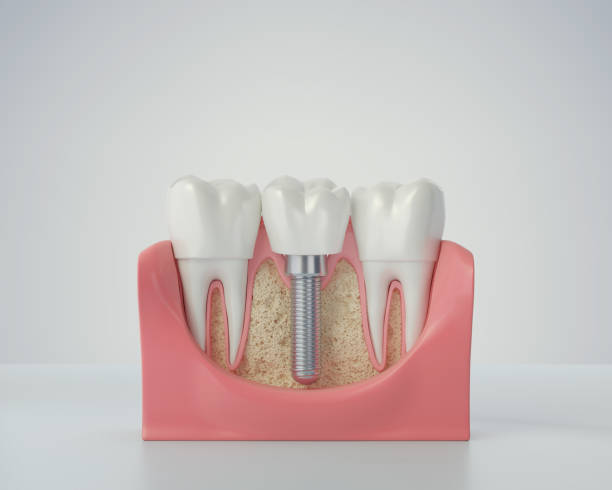
Once the implant has bonded with the bone, your dentist confirms it is stable. If your crown design calls for one, they attach an abutment, the small connector piece. Then they place the custom crown and adjust it for your bite and appearance.
Dr. Lewis and Dr. Barlow place and restore implants in-house, so your care stays coordinated from extraction to the final crown. Our guide to the dental implant healing timeline explains what recovery looks like after placement.
What Are the Advantages and Limitations of Immediate Dental Implants?
Immediate implants offer real benefits for the right patient. They also have limits that make them a poor fit for some sites. Knowing both sides helps you have a more productive conversation with your dentist.
Potential Advantages of Immediate Placement
In the right case, immediate placement may offer:
- Fewer separate surgical appointments in selected cases
- A potentially shorter overall treatment sequence
- Extraction and implant placement planned together from the start
- Possible benefits for gum shape in carefully selected front-tooth sites
Immediate placement does not prevent all bone changes after extraction. The ridge can still reshape around the implant during healing.
Limitations and Potential Complications
Immediate placement also has limits. Possible concerns include:
- Difficulty achieving primary stability in some sockets
- Thin or damaged socket walls
- A need for additional bone grafting
- Risk of gum recession around the implant
- Aesthetic concerns in visible areas, especially with thin gums or bone
- Infection or healing issues that may need extra care
Your dentist screens for these factors before recommending immediate placement.
Why Delayed Placement May Be the More Appropriate Choice
Delayed placement gives the gums and bone time to heal. It can allow infection to clear before surgery. It also creates time to complete bone grafting when needed. For many patients, that extra time can help build a more stable foundation for the final crown.
Frequently Asked Questions About Dental Implants After Tooth Extraction in St. Johns, FL
How long after tooth extraction should I wait for a dental implant?
It depends on your extraction site. Some patients receive an implant the same day as the extraction. Others wait about 4 to 8 weeks for gum healing, or 12 to 16 weeks for partial bone healing. Some need several months, especially after infection or bone loss. Your dentist sets the timing after an exam and imaging, based on your bone, gums, and replacement goals.
Is it better to get a dental implant immediately after extraction?
Not always. Immediate placement can work well when the socket walls are intact, the bone can hold the implant firmly, and any infection is manageable. It may also save a separate surgery. Delayed placement may be better when infection or bone defects need time to heal, or when thin gums need extra support. The right choice depends on the condition of your tooth and bone.
Can I get an implant after an infected tooth is removed?
Possibly. Infection does not automatically rule out an implant, even an immediate one. Your dentist looks at the type and extent of the infection, the remaining bone, and how well the site can be cleaned. Some infected sites are suitable for immediate placement. Others need treatment and healing time first. A careful evaluation helps protect the implant’s long-term health.
Does getting an implant immediately mean I receive a permanent tooth the same day?
No. Immediate placement means the implant goes in during the extraction appointment. Whether a temporary tooth can be attached that day depends on implant stability and your treatment plan. Some patients leave with a removable temporary or a temporary bridge instead. The permanent crown usually comes after the implant bonds with the bone, which often takes a few months.
Will my jawbone shrink if I wait for an implant?
Some change is likely. The jawbone naturally reshapes after any tooth extraction, whether or not you wait. The ridge usually loses some width and height as it heals, and the amount varies from person to person. If you plan to wait, your dentist may recommend socket preservation to help maintain the bone. Discussing implant timing early can help keep more options available.
Can a molar be replaced with an immediate dental implant?
Sometimes. Molars usually have two or three roots and leave a large socket behind. That can make it harder to position the implant and achieve firm stability right away. Your dentist evaluates the bone between and beyond the roots, the socket shape, and the planned crown. Based on these factors, they may recommend immediate, early, or delayed placement.
Is bone grafting always necessary after extraction?
No. Whether you need a graft depends on your extraction site, the bone available, and your implant plan. Some patients need no graft at all. Others benefit from socket preservation at the time of extraction. Some need grafting during implant placement, and larger defects may require a separate procedure first. Your dentist will explain what your site needs.
Plan Your Tooth Extraction and Dental Implant Treatment in St. Johns, FL
You do not have to choose between immediate and delayed placement on your own. The best time to place a dental implant depends on your tooth, bone, surrounding tissues, and long-term restoration goals. Your dentist will help you make that decision.
A consultation at Bartram Dental Center in St. Johns, FL, can help determine whether immediate placement or a staged approach fits your needs. Dr. Jason Lewis and Dr. Royce Barlow use 3D imaging to plan each case and explain your options in plain terms. We offer free consultations and second opinions.
If you have a tooth that may need to come out, talk with us about tooth replacement options before the extraction. Planning can help protect your future options.
Schedule a dental implant consultation with our locally owned team, or call (904) 298-6280 to get started.
