
Digital Smile Design in St. Johns, FL: See How Your New Smile Is Planned Before Cosmetic Treatment
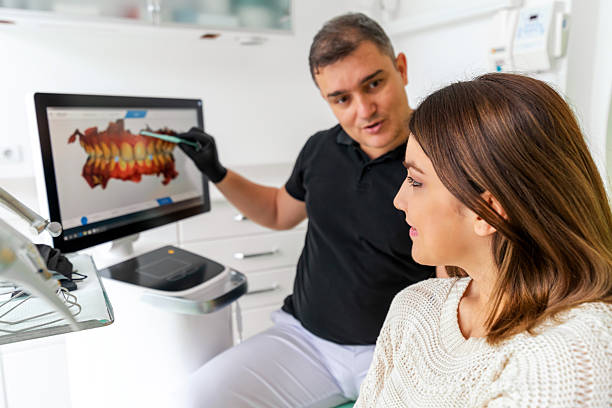
What if you could see a preview of your potential new smile before committing to veneers, crowns, or another cosmetic treatment? For many patients considering digital smile design in St. Johns, FL, the answer is yes, with some limits. This planning approach uses photos, scans, and careful analysis to show proposed changes to tooth shape, proportions, and alignment. It also shows how those changes may fit your facial features.
Digital smile planning helps in three main ways. It improves communication between you and your dentist, makes aesthetic planning more personal, and gives you a clearer picture of the proposed treatment.
At Bartram Dental Center, digital smile planning is part of our cosmetic dentistry in St. Johns, FL. A preview is a planning illustration, and your final result can differ from it. Whether you are considering a smile makeover or a smaller change, we can help you explore your options before treatment begins.
What Is Digital Smile Design in Cosmetic Dentistry?
Digital smile design is a way of analyzing your teeth, gums, smile, and facial features using digital records. Dentists use it to plan and explain possible cosmetic changes before treatment starts.
The process goes beyond picking veneers or a whitening shade. Your dentist combines three things: your facial features, your existing teeth, and your personal preferences. Together, these shape a smile proposal designed around you.
How Is Digital Smile Design Different From Traditional Cosmetic Planning?
Traditional cosmetic planning often relies on a clinical exam, photos, physical impressions, shade guides, wax-ups (models of proposed teeth), and direct discussion. These methods are still widely used in cosmetic dentistry today.
Digital planning brings many of the same records into one visual workflow. Photos and 3D scans can be viewed together, which can make proposed changes easier to see and discuss.
Is Digital Smile Design the Same as a Smile Makeover?
No. Digital smile design is a planning and communication process. A smile makeover is a treatment plan that may include veneers, whitening, bonding, orthodontics, or crowns. The design helps decide what a makeover should include. If you are weighing several treatments, our overview of smile makeover options explains how they can be combined.
Can You Preview Cosmetic Dental Results Before Treatment?
Often, yes. A digital simulation can show proposed changes to tooth length, width, shape, and overall smile proportions. You can react to the preview and share what you like or want changed.
The finished smile may look somewhat different, as we explain later in this article.
How Does Facial Analysis Help Dentists Design a Natural-Looking Smile?
Cosmetic dentistry looks at more than the teeth alone. Your lips, face, gum line, and the way you smile all affect how your teeth look. Facial analysis helps your dentist design changes that suit you.
This approach is sometimes called facially driven smile design. The goal is balance and harmony with your features. Symmetry is one guide among many, and your own preferences matter just as much.
Facial Midline and Dental Midline: Why Alignment Matters
Your facial midline is an imaginary vertical line down the center of your face. Your dental midline runs between your two upper front teeth. When these lines line up or sit close together, a smile often looks balanced.
Many attractive smiles have a dental midline that sits slightly off center, and small differences often go unnoticed. A midline that tilts at an angle tends to stand out more than one that is slightly shifted. Your dentist looks at how your upper central incisors line up with your face and whether a change would make a visible difference.
How Lip Position and Smile Line Influence Tooth Appearance
Your lips frame your teeth. Your smile line describes how high your upper lip rises when you smile. A high smile line shows more gum, while a low smile line may hide part of your teeth.
The curve that the edges of your upper teeth follow is called the smile arc. In many natural smiles, this curve runs roughly parallel to the lower lip.
Your dentist also checks how much of your upper teeth shows when your lips are relaxed. This is called incisal display. Because lips move, a tooth or restoration can look different when you smile, speak, or rest. Careful planning considers all three.
Why Facial Symmetry Is Considered During Smile Planning
Almost no face is perfectly symmetrical. Smile planning looks for relative balance, using facial reference points such as the eyes, nose, and chin. For example, your dentist may check that the biting edges of your front teeth run level with your eyes.
These reference points help guide natural smile proportions and the orientation of your smile. Your individual anatomy matters too, including your lip shape, tooth size, and gum levels.
Cosmetic dentistry works on the teeth and gums. It cannot correct differences in the underlying jaw or facial bones. Your dentist will explain what changes to your teeth can realistically achieve.
How Facial Expressions Affect Digital Smile Design
Your smile changes throughout the day. A small natural smile, a broad laugh, and everyday speech each show your teeth differently.
Reviewing a single still photo is called static analysis. It is useful, but it may not capture everything. Speech can show how tooth length affects certain sounds, and a broad smile may reveal more gum or side teeth. Your dentist may study your smile in more than one position, which is sometimes called dynamic smile analysis. This helps the design look natural in motion as well as in photos.
What Tooth Characteristics Are Evaluated During Digital Smile Planning?
After studying your face, your dentist focuses on the teeth themselves. Shape, size, alignment, color, and surface details all work together. A small change to any one of them can affect your overall smile.
Tooth Length, Width, and Proportions
Your upper central incisors usually set the tone for the whole smile. Your dentist looks at their length and width, then at how neighboring teeth relate to them.
In many natural smiles, the front teeth are a little longer than they are wide. The teeth beside them then appear gradually smaller toward the back. Teeth that look short or narrow can make a smile seem unbalanced.
Some cosmetic guides use mathematical ratios, such as the golden ratio, but natural smiles vary widely. Your dentist treats proportions as a starting point and adjusts them to your face.
Tooth Shape and Contours
Teeth can be more rounded or more angular. The biting edges (incisal edges) may be smooth and even or have subtle natural variation. The front surfaces may be flatter or gently curved.
These details change the character of a smile. Rounded shapes often look softer, while squarer shapes can look bolder. Your dentist considers your natural anatomy and your preferences when proposing a shape.
Tooth Alignment and Spacing
Crowding, gaps, and rotated teeth all affect how a smile looks. Digital smile planning can show whether these issues are better handled by moving teeth or by covering them.
In some cases, Invisalign clear aligners can move teeth into better position before any cosmetic work. This may allow for more conservative veneers or bonding later. Masking alignment problems with veneers sometimes requires removing more tooth structure.
Tooth Color, Translucency, and Natural Appearance
Natural teeth have a base shade, varying brightness, and edges that let some light pass through. This quality is called translucency. Surface texture also changes how light reflects off each tooth.
Your dentist considers these qualities when designing new teeth. The goal is for any restorations to suit your face and match nearby natural teeth.
How Gum Lines Affect Smile Proportions
The gum line frames each tooth and controls how long each visible tooth appears. Uneven gum margins can make teeth look different in length, even when they are similar in size. Gum symmetry also affects how much tooth shows when you smile.
When the gum line is uneven, gum contouring in cosmetic dentistry may be part of the plan. Your dentist will explain whether gum changes could improve your proportions.
What Technology Is Used to Create a Digital Smile Preview?
A digital smile preview starts with accurate records of your face and teeth. At Bartram Dental Center, these records include digital photography, digital impressions, and digital shade matching. Planning tools then turn those records into a proposed design.
Digital Photography and Smile Analysis
Photos document your smile in detail. They capture facial reference points, how much of your teeth show, your smile line, and your gum display. They also record the concerns you want to address. At Bartram Dental Center, digital photography is part of the cosmetic consultation.
Depending on your case, your dentist may take additional angles or short video clips. The exact set of records varies from patient to patient.
Intraoral Scanning and Digital Dental Impressions
An intraoral scanner captures a 3D model of your teeth without traditional impression trays. Bartram Dental Center uses iTero and CEREC Primescan scanners for digital impressions. These scanners are part of the advanced digital dental technology at our office.
The 3D model helps your dentist study your bite, design restorations, and walk you through proposed changes on screen.
Digital Smile Simulation and Proposed Tooth Changes
Planning software can combine your photos and scans into a simulation. It can show possible changes to tooth length, width, alignment, and shape, along with your proposed overall smile.
A simulation illustrates a plan and gives you and your dentist a starting point for discussion.
Can Digital Smile Design Include a Physical Mock-Up?
In some cosmetic workflows, yes. A dentist may create a diagnostic wax-up, which is a model of the proposed teeth. That design can sometimes be transferred to your mouth as a temporary trial smile, called an intraoral mock-up. Temporary restorations can also let you test a design before final treatment.
Whether these steps are used depends on your case and treatment plan. Ask your dentist which preview options fit your situation.
How Do Digital Shade Matching and CAD/CAM Fit Into Smile Planning?
Each tool plays a different role. Smile design helps define the overall aesthetic goal. Digital shade matching helps select a color that blends with your teeth. CAD/CAM technology helps design and make certain restorations.
Bartram Dental Center offers digital shade matching for veneers and crowns, plus CEREC CAD/CAM for crowns. Many smile design cases do not require CAD/CAM fabrication. Veneers, bonding, and orthodontic plans may follow different paths.
What Happens During a Digital Smile Design Consultation in St. Johns, FL?
A smile design consultation is a step-by-step conversation about your goals and options. At Bartram Dental Center, cosmetic consultations are complimentary, and we welcome second opinions on cosmetic plans. Here is what the process usually looks like.
Step 1: Discuss Your Smile Goals and Cosmetic Concerns
Your visit starts with your goals. You will talk about what you want to change, such as tooth color, shape, or symmetry. Your dentist will also ask about any previous dental work.
This is a good time to share your expectations, budget, and timing. Planning works best as a collaboration between you and your dentist.
Step 2: Evaluate Your Teeth, Gums, Bite, and Facial Features
Next, your dentist examines your oral health and function. This includes enamel condition, existing fillings or crowns, gum health, tooth wear, your bite, and alignment. Your dentist also looks at how your teeth relate to your lips, smile, and facial features.
A cosmetic change should never compromise the health of your teeth or bite. Problems such as gum disease or decay usually need treatment first.
Step 3: Capture Digital Records for Smile Planning
Your dentist then takes the photos and digital scans that your case needs. These records become the starting point for your design.
Step 4: Create and Review a Proposed Smile Preview
Your dentist uses your records to create a proposed design. You review the suggested changes together and share your feedback.
Your dentist may show alternative approaches and explain what each could achieve. The plan can then be refined based on your input and what is clinically possible. Ask how design reviews work as part of your planning process.
Step 5: Choose the Cosmetic Treatments Needed to Achieve the Plan
Once the design is clear, it helps guide which treatments to use. Depending on your goals, the plan may include veneers, bonding, whitening, crowns, Invisalign, or other appropriate care. Some patients need a combination, while others need just one treatment.
Step 6: Finalize the Treatment Sequence and Expectations
Finally, your dentist explains the treatment order and how many appointments to expect. You will review costs before treatment begins, along with any temporary restorations, long-term maintenance needs, and the limits of the simulation.
Which Cosmetic Dentistry Treatments Can Benefit From Digital Smile Design?
Digital planning can support many cosmetic treatments. How much planning you need depends on the number of teeth involved and how complex the changes are.
Porcelain Veneers: Planning Tooth Shape and Smile Proportions
Veneers change the visible front surface of your teeth, so their design matters. For patients considering porcelain veneers in St. Johns, planning helps set shape, length, and proportions. It also helps decide how many teeth to include and which ones, so the smile looks balanced.
Cosmetic Bonding: Visualizing Smaller Smile Improvements
Bonding can fix minor chips, small gaps, uneven edges, and slight shape issues. Planning can help you see how these changes might look. For a simple repair on one tooth, a detailed digital workflow may not be necessary.
Dental Crowns: Balancing Appearance With Function
Crowns restore damaged teeth and also affect how your smile looks. Planning helps match crowns to neighboring teeth in shape, size, and proportion. It also accounts for your bite, since crowns must handle chewing forces. For appropriate cases, CEREC technology allows crowns to be designed and made in the office.
Invisalign: Planning Tooth Alignment Before Cosmetic Restorations
Moving teeth first can improve their position and may allow more conservative veneers or bonding later. Many patients can go straight to cosmetic treatment, and your dentist will explain whether alignment would help.
Smile Makeovers: Coordinating Several Cosmetic Treatments
When a plan includes several treatments, order matters. Digital planning helps coordinate whitening, orthodontics, veneers, crowns, and bonding. For example, whitening often comes before veneers or crowns so new restorations can match your brighter shade.
Can Digital Smile Design Help Create More Natural-Looking Cosmetic Results?
Many patients worry that cosmetic work will look artificial, too white, too uniform, or too large. Digital planning can help address that concern. You and your dentist can review proportions, shape, and shade choices before treatment begins.
Why Natural Smiles Are Not Perfectly Symmetrical
Natural teeth have small differences in shape, length, and position. These variations give a smile its character. Teeth that look perfectly identical can appear artificial, so careful smile design often keeps some subtle variation. Your own tooth shapes and positions help guide how much variation to keep.
How Tooth Proportions Affect the Appearance of Veneers and Crowns
Veneers or crowns that are too wide, too long, or too uniform can look out of place. Your dentist considers relative tooth size, your smile width, tooth contours, and your lip position. Each choice affects how natural the result looks.
Shade matters too. Your dentist can help you choose a brightness that suits your face and nearby teeth, so your smile looks brighter without looking unnatural.
How Patient Preferences Influence the Final Design
There is no single correct cosmetic look. Some patients want a subtle improvement, while others want a brighter or fuller smile. Some prefer more youthful proportions, and others want to keep the natural character of their teeth.
Your preferences help shape the design. Your dentist will explain how each choice could affect both appearance and function.
How Accurate Is a Digital Smile Design Preview?
A digital preview is useful for planning and communication. Still, the final result depends on factors that a simulation cannot fully predict, including:
- Your existing tooth structure
- Gum and bone anatomy
- Limits of the chosen treatment
- Material properties
- Any planned tooth movement
- Your bite
- Healing
- How treatment is carried out
Is a Digital Smile Simulation a Guaranteed Result?
No. A simulation is an illustrated proposal. It shows what your dentist is aiming for, based on your records and goals. Your actual result depends on your mouth and on how treatment unfolds.
Why Might the Finished Smile Differ From the Preview?
Several things can create differences. Your anatomy may limit how much a tooth can change. Your dentist may adjust the plan during treatment for health or function. Gums can respond in different ways, and each material has its own properties. Fabrication can also introduce small differences in shape or color. Your bite may require changes to tooth shape or length.
Can You Request Changes to the Proposed Smile Design?
Yes, you can share your preferences during the consultation and review. How much the design can change depends on what is clinically possible and on the practice’s planning process. Your dentist will explain which requests are realistic.
Who May Benefit Most From Digital Smile Planning?
Digital planning can be especially helpful in these situations.
Patients Considering Multiple Veneers or Front-Tooth Crowns
When several front teeth are treated together, planning keeps their proportions consistent with each other and with your face.
Patients With Uneven, Worn, or Short-Looking Teeth
Planning helps your dentist decide how much length to add and how to reshape worn or uneven edges while keeping proportions balanced.
Patients Who Want Subtle, Natural-Looking Cosmetic Improvements
A preview helps you and your dentist agree on what “subtle” means before treatment begins.
Patients Considering a Combination of Invisalign and Cosmetic Dentistry
Planning helps set the order of treatment, so later veneers, bonding, or crowns fit your new tooth positions.
Patients Unsure Which Cosmetic Treatment They Need
An evaluation helps sort through whitening, orthodontics, bonding, veneers, and crowns to match each option to your concern.
Does Digital Smile Design Affect the Cost or Timeline of Cosmetic Dentistry?
Planning is one part of the process, but the treatments in your plan usually have the biggest effect on cost and timeline. Key factors include the number of teeth, treatment complexity, and the type of restoration. Additional orthodontic treatment, laboratory work, the number of visits, and planning and fabrication needs also play a role.
Bartram Dental Center reviews costs with you before treatment begins. Financing is available through CareCredit and Cherry.
Is Digital Smile Design a Separate Treatment or Part of Cosmetic Planning?
This varies by practice. Some charge separately for detailed planning, while others include it. At Bartram Dental Center, digital smile design is part of the cosmetic planning process. During your consultation, ask whether any planning costs apply to your case.
Does a Digital Smile Preview Mean Treatment Can Be Completed in One Visit?
No. Seeing a preview and completing treatment are separate steps. CEREC same-day crowns may be possible for appropriate cases. Comprehensive cosmetic plans often take several visits.
Can Digital Planning Help Patients Compare Cosmetic Treatment Options?
Yes. Seeing potential changes can make it easier to discuss treatment scope, your priorities, and alternatives with your dentist.
Frequently Asked Questions About Digital Smile Design in St. Johns, FL
What is digital smile design?
Digital smile design is a cosmetic planning approach that uses digital records to help visualize proposed changes to your smile. Your dentist studies tooth proportions, your smile line, and how your teeth relate to your face. Your goals are part of the process too. The design helps guide cosmetic treatment decisions before any work begins, so you can understand the plan in advance.
Can I see what my veneers will look like before getting them?
Often, yes. Digital smile planning can show proposed veneer shapes, lengths, and overall appearance before treatment. In some cases, a dentist may also use a physical mock-up or temporary restorations so you can test the design. A preview helps you and your dentist agree on expectations, though it cannot guarantee the exact final look.
Does digital smile design work for Invisalign?
It can help coordinate orthodontic and cosmetic goals. This is especially useful when tooth alignment should be addressed before veneers, bonding, or crowns. Invisalign also has its own digital system for planning tooth movement. That system focuses on moving teeth, while smile design looks at your overall cosmetic goals. Your dentist can explain how the two fit together in your plan.
Is digital smile design only for complete smile makeovers?
No. Digital planning can help with some smaller cosmetic cases as well as full smile makeovers. The amount of planning depends on how many teeth are involved, how complex the changes are, and your goals. A simple bonding repair may need little planning. Changes to several front teeth often benefit from a more detailed design.
Can digital smile design make veneers look more natural?
It can help. Planning lets your dentist set tooth shape, proportions, and balance with your face before treatment. Natural-looking results also depend on other factors. These include the materials used, shade, surface texture, your existing anatomy, and how treatment is carried out. Planning is one important step toward a result that suits your face.
Does digital smile design show exactly how my smile will look afterward?
No. It shows a proposed design, which differs from an exact prediction. The final result may vary because of your anatomy, clinical limits, materials, adjustments during treatment, and healing. A preview is still valuable. It gives you and your dentist a shared picture of the goal, which makes planning conversations clearer.
Can I choose my tooth shape during a smile design consultation?
You can share your preferences. During planning, you can discuss the tooth shapes, lengths, and overall look you like. Your dentist will explain which changes are possible and how they may affect your bite, how much natural tooth structure is kept, and how the final result looks. The final design usually reflects both your preferences and your clinical needs.
Where can I get digital smile design in St. Johns, FL?
Bartram Dental Center offers digital smile design as part of its cosmetic dentistry services in St. Johns, FL. Cosmetic consultations are complimentary, and second opinions are welcome. During your visit, you can discuss your smile goals, the planning tools available, and which treatments may suit you. Call (904) 298-6280 or schedule online to get started.
Preview Your Cosmetic Smile Transformation at Bartram Dental Center in St. Johns, FL
A beautiful smile starts with understanding your facial features, dental health, and cosmetic goals. At Bartram Dental Center in St. Johns, FL, digital smile planning can help you explore potential improvements. You can review the plan before beginning veneers, crowns, or a more comprehensive smile makeover.
Dr. Jason Lewis and Dr. Royce Barlow take time to explain your options in clear terms. As a locally owned cosmetic dentist in St. Johns, Bartram Dental Center focuses on personalized planning designed around your goals. Schedule a cosmetic dentistry consultation to explore your smile design and treatment options, or call (904) 298-6280
