
Can You Get Dental Implants With Bone Loss? Understanding Your Treatment Options in St. Johns, FL
If a dentist has told you that you have jawbone loss, or you have been missing teeth for years and assumed you no longer qualify, you are not alone. Bone loss does not automatically rule out dental implants in St. Johns, FL. The amount, location, and quality of remaining bone determine what treatment may be possible.
This article focuses on implant candidacy despite bone loss, not general bone grafting. Depending on your case, you may have enough bone for conventional placement, need bone augmentation before or during treatment, or qualify for an alternative implant configuration. Below, you’ll learn how bone is evaluated, why it disappears, and what implant dentistry in St. Johns, FL can offer through Bartram Dental Center.
Why Does Jawbone Volume Matter for Dental Implants?
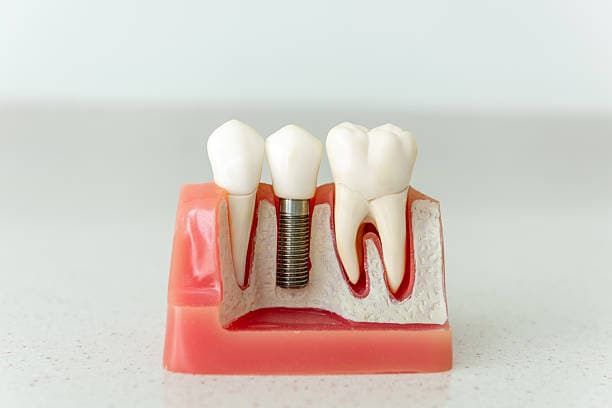
A dental implant is a small titanium post that replaces the root of a missing tooth. For that post to function like a natural root, it needs enough healthy bone around it, in the right dimensions, to stay stable under the daily forces of chewing and biting.
This is where the bone-to-implant bonding process comes in. Known as osseointegration, this is the process where the jawbone gradually fuses to the implant surface, anchoring it in place. Without adequate bone volume, height, width, and density, this bond cannot form reliably, and the implant may not achieve primary implant stability from the start.
For any tooth implants that St. Johns patients are considering, the process starts with the same foundational question: is there enough bone, in the right places, to support a stable result? This is also the first thing an implant dentist evaluates before recommending a treatment plan.
How Much Bone Does a Dental Implant Need?
There is no single measurement that applies to every patient. The amount of bone needed depends on several factors:
- The size of the implant being placed
- The location of the missing tooth in the mouth
- Whether the implant is going into the upper or lower jaw
- Nearby anatomy, such as the sinus or a major nerve
- The type of restoration planned, such as a single crown or a larger bridge
A front-tooth implant, for example, often has different demands than one placed in the back of the mouth, where chewing forces are stronger, and the bone anatomy is different. This is one reason a dentist cannot estimate bone needs from a photo or a general description. Every case is evaluated individually.
Bone Volume vs Bone Density: What Is the Difference?
These two terms get used interchangeably, but they describe different things.
Bone volume refers to how much bone physically exists in a given area, including its height and width. Bone density refers to the structural quality of that bone, meaning how solid or porous it is.
A patient can have enough bone volume but softer bone density, or the reverse. Both factors affect how a dentist plans treatment, so neither should be assumed based on the other.
Why Implant Position Matters as Much as Bone Quantity
Finding a spot with enough bone is not the only goal. The implant also needs to support a properly positioned final tooth, one that lines up with your bite and looks natural next to your other teeth.
This is why implant dentistry practices in St. Johns, FL increasingly work backward from the final restoration, planning where the crown needs to sit and then determining whether the available bone can support an implant in that position.
Why Does Bone Loss Happen After Tooth Loss?
Understanding why bone disappears helps explain why some patients need extra steps before implant placement, while others do not. Without a tooth root to stimulate it, the jawbone gradually remodels, and the ridge can become narrower and shorter over time.
Bone Resorption After a Tooth Is Removed
Once a tooth root is gone, the jawbone in that area no longer receives the stimulation it needs to maintain its original volume. Over time, the bone can begin to shrink, a process known as resorption. This is one reason many dentists recommend planning for tooth replacement or dental implants in St. Johns soon after a tooth is lost, rather than waiting years, since earlier treatment often means more remaining bone to work with. This applies whether you are considering a single tooth implant in St. Johns FL or planning after multiple extractions.
Gum Disease and Periodontal Bone Loss
Periodontal disease can destroy the bone supporting a tooth even before the tooth is lost. This happens gradually, as inflammation from gum disease breaks down the bone and tissue that hold teeth in place.
If active gum disease or infection is present, it generally needs to be controlled before implant treatment can move forward. This protects both the health of the surrounding tissue and the long-term success of the implant.
Dentures and Long-Term Bone Changes
Traditional dentures restore the visible appearance of teeth, but they sit on top of the gums rather than replacing the root. Because of this, dentures do not provide the same stimulation to the jawbone that a natural tooth root does.
Over years of wearing full or partial dentures in St. Johns, this can lead to continued bone loss underneath the denture base. Patients exploring dentures in St. Johns, researching denture implants near Saint Johns, or considering a switch to an implant-retained option often ask about this exact concern.
Can You Still Get Dental Implants If You Have Bone Loss?
Yes, many patients with bone loss can still receive dental implants, but treatment depends on how much bone remains and where the loss has occurred.
Mild Bone Loss May Still Allow Conventional Implant Placement
Limited bone loss may still leave enough healthy bone for a standard implant. In these cases, treatment often focuses on selecting the right implant size and position to work with the bone that is available, without requiring additional procedures.
This does not mean every patient with some bone loss can skip grafting. It means mild cases are evaluated individually, and some may proceed directly to placement.
Moderate Bone Loss May Require Bone Augmentation
When bone loss is more moderate, bone augmentation may be recommended before or alongside implant placement. This is a well-established step in implant dentistry, and Bartram Dental Center has a dedicated guide to bone grafting for dental implants that walks through what this process involves in more detail.
Significant Bone Loss Requires More Advanced Planning
Significant bone deficiencies may call for larger augmentation procedures, staged treatment over several appointments, different implant positioning, or an alternative restorative design altogether.
Whether any of these approaches is appropriate depends entirely on 3D imaging. Feasibility cannot be determined by exam alone.
How Bartram Dental Center Evaluates Bone for Dental Implants in St. Johns, FL
Implant candidacy cannot be judged accurately from appearance alone. A tooth may look like it has been missing “long enough” to cause bone loss, or a patient may look like a strong candidate, and imaging can still reveal a different picture. This is why patients searching for a dental consultation near me often start at Bartram Dental Center, where implant dentistry in St. Johns, FL begins with a full evaluation rather than a guess.
CBCT Imaging Measures Bone in Three Dimensions
Cone beam CT, or CBCT, imaging allows a dentist to view the jaw in three dimensions rather than the flat, two-dimensional view of a traditional X-ray. This helps measure bone height and width, map the location of the sinuses and nerves, and identify existing teeth or areas of concern before any implant is planned. Bartram Dental Center’s digital implant planning technology relies on this same 3D imaging to plan implant position with precision.
For patients researching dental implants in St. Johns, FL, this kind of detailed imaging is often the difference between an educated guess and an accurate treatment plan.
Medical and Dental History Affect the Treatment Plan
A dentist will also review your broader health history, including:
- Gum disease history
- Smoking
- Diabetes
- Current medications
- Previous extractions
- Any prior bone grafting
These factors do not automatically disqualify a patient. They help the dental team understand healing potential and plan treatment with realistic expectations.
The Final Tooth Position Is Planned Alongside the Implant
Bone anatomy is only part of the picture. A dentist also plans where the final crown, bridge, or denture needs to sit to support proper chewing function and a natural-looking smile. The implant position is chosen with that result in mind, not just the location of available bone.
Bone Grafting Options That Can Rebuild Implant Support
Bone grafting is not a single procedure. It is a category of techniques used to rebuild bone in specific situations.
Socket Preservation After Tooth Extraction
Socket preservation is often done at the time of an extraction, before significant bone shrinkage has a chance to develop. It is most valuable when a patient may want an implant in the future but is not ready for one immediately, since it helps maintain the existing bone in that socket for later treatment.
Ridge Augmentation for Bone Width or Height
Ridge augmentation can rebuild a jaw ridge that has become too narrow or too short to support an implant on its own. This procedure adds bone material to the deficient area so the ridge can support future implant placement.
Sinus Augmentation for Upper Back Teeth
In the upper jaw, the sinuses sit close to the roots of the back teeth. When those teeth are lost, the sinus can expand downward over time, reducing the bone available for an implant. Sinus augmentation, sometimes called a sinus lift, adds bone below the sinus floor to create enough space for a stable implant in this area.
Can Bone Grafting and Implant Placement Happen Together?
Sometimes. Whether grafting and implant placement can occur in the same appointment depends on how much bone remains and whether the implant can achieve enough initial stability on its own. This decision is always made on a case-by-case basis after imaging.
Are There Modern Implant Options for Patients With Less Bone?
Modern treatment planning can sometimes reduce the need for extensive grafting, depending on a patient’s specific anatomy.
Smaller or Narrow-Diameter Implants in Selected Cases
In certain situations, a smaller diameter implant may be appropriate for areas with limited bone width. Bartram Dental Center’s guide to mini dental implants covers this option in more detail. This is not a universal solution, and candidacy depends on the location and the planned restoration.
Strategic Implant Angulation and Guided Placement
Careful implant angulation allows a dentist to use available bone more efficiently, sometimes avoiding areas of significant loss altogether. Bartram Dental Center’s digital implant planning technology supports this kind of guided planning, mapping out implant position with precision before any surgery takes place.
Full-Arch Implant Planning With Available Bone
For patients missing most or all of the teeth in an arch, full-arch implant treatment plans in St. Johns can sometimes work around areas of bone loss by anchoring implants in denser regions of the jaw. Some full-arch approaches are marketed as “teeth in a day” treatment in St. Johns, but same-day treatment is not appropriate or available for every patient. Whether this timeline applies to your case depends entirely on your bone anatomy and overall treatment plan.
What If You Have Been Missing Teeth for Many Years?
This is one of the most common concerns patients bring to a consultation, and it deserves a direct answer.
Long-Term Tooth Loss Can Change the Jaw Ridge
The longer a tooth has been missing, the more time the surrounding bone has had to remodel and shrink. This is a gradual process, and it does not happen at the same rate for every patient.
Existing Dentures Do Not Automatically Prevent Implant Treatment
Many long-term denture wearers assume implants are no longer possible for them. In many cases, that is not true. Bone changes over time, but patients interested in upgrading from traditional dentures to an implant-supported option are often still reasonable candidates once their remaining bone is evaluated.
Imaging Determines What Is Still Possible
Duration of tooth loss is only one data point. It cannot tell a dentist what is actually possible in your mouth today. Only imaging and a clinical exam can determine that.
When Bone Loss May Delay or Change Your Dental Implant Plan
Bone loss does not mean treatment is off the table. It sometimes means treatment needs to be personalized or staged differently than a straightforward, single-visit implant placement.
Active Gum Disease or Infection Must Be Controlled First
If gum disease or an active infection is present, that needs to be addressed before implant treatment can safely move forward.
Bone Grafting May Add Healing Time
When grafting is needed, it typically requires a healing period before an implant can be placed. This adds time to the overall treatment plan, but it supports a stronger, more predictable long-term result.
Some Cases Need a Different Tooth Replacement Strategy
Depending on the extent of bone loss, a dentist may recommend an alternative approach, such as:
- A dental bridge
- An implant-retained denture
- A full-arch restoration
- A temporary prosthetic while healing occurs
These alternatives are not a sign that a patient failed to qualify for implants. They reflect a treatment plan personalized to that patient’s anatomy and goals.
Frequently Asked Questions About Dental Implants and Bone Loss in St. Johns, FL
Can I get dental implants if I have severe bone loss?
Often, yes, but severe bone loss requires a detailed 3D evaluation before any treatment plan can move forward. Some patients need bone grafting or staged treatment to build a stable foundation, while others may qualify for implant options that use the remaining bone differently, such as strategic angulation or a smaller implant. A CBCT evaluation at Bartram Dental Center can show what is anatomically possible in your specific case.
How do I know if I have enough bone for implants?
The most reliable way to know is through a clinical examination combined with 3D imaging, since bone loss is not always visible on its own. CBCT scans allow the dentist to evaluate bone height, width, nearby anatomy such as the sinuses and nerves, and potential implant positions before recommending a specific treatment plan for your case.
Will I definitely need a bone graft if I have bone loss?
No. Bone loss does not automatically mean a bone graft is required before you can get dental implants. The decision depends on several factors, including the amount and location of remaining bone, where the implant needs to be positioned, and the type of restoration being planned, whether that is a single crown, a bridge, or a full-arch solution.
Can I get dental implants after wearing dentures for years?
Yes, many long-term denture wearers can still be evaluated for dental implants, even after years of wear. Because bone changes gradually over time, treatment may involve bone grafting, a smaller implant option, or a different implant-supported restoration such as implant-retained dentures, depending on how much bone remains and where it is located in your jaw.
Can a dental implant help prevent additional bone loss?
Yes, to some extent. Implants transmit functional forces into the surrounding jawbone in a way similar to a natural tooth root, which can help maintain bone around the implant site over time. However, implants do not regenerate bone that has already been lost, which is why existing deficiencies sometimes still require grafting or additional treatment before placement.
Find Out Whether Bone Loss Still Allows Dental Implants in St. Johns, FL
Bone loss is common, and it does not automatically close the door on dental implants in St. Johns, FL. Between conventional placement, bone augmentation, and alternative implant configurations, most patients have more than one realistic pathway forward.
The only way to know which path applies to you is through an evaluation of your actual bone anatomy. If you would like a broader look at implant candidacy beyond bone alone, that guide covers the other factors a dentist considers.
Patients throughout St. Johns, the 32259 area, and surrounding communities can schedule a consultation with an implant dentist in St. Johns to understand their available bone and build a personalized treatment plan with Bartram Dental Center.
