
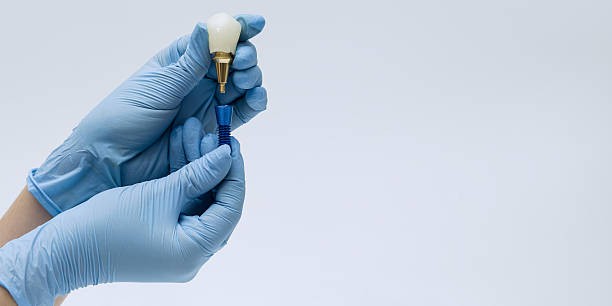
Nervous About Dental Implant Surgery? Sedation and Comfort Options in St. Johns, FL
Dental implant surgery can bring up real worries: fear of pain, uncertainty about being awake, or a rough dental experience from years ago. Those concerns are common and don’t have to stand in your way of getting the tooth replacement you need.
Local anesthesia numbs the treatment area to control pain during implant surgery, and sedation can be added on top to help you feel calmer. Bartram Dental Center offers dental implants in St. Johns along with sedation dentistry built around three approaches: nitrous oxide, oral conscious sedation, and local anesthesia on its own. The right choice depends on your procedure, your anxiety level, and your health history, a conversation you can have before you commit to treatment.
Why Dental Implant Surgery Can Cause Anxiety – and How Modern Dentistry Helps
Feeling nervous about implant surgery does not mean something is wrong with you. Dental anxiety is common, and it usually comes from a specific, understandable source.
Common reasons patients feel anxious include:
- Fear of needles
- Unfamiliar surgical sounds
- Not knowing what to expect
- Worry about feeling pain
- A difficult dental visit in the past
It helps to separate two different things: pain control and anxiety control. Local anesthetic numbs the treatment area so you do not feel pain. Sedation works differently. It reduces fear and awareness so the appointment feels less overwhelming. Patients searching for a dental anxiety dentist in St. Johns often start by understanding this distinction before their consultation.
Sedation and Local Anesthesia Are Not the Same Thing
These two terms get mixed up often, but they serve different purposes.
Anesthesia numbs. It blocks sensation in the area being treated so you do not feel pain during the procedure.
Sedation relaxes. It calms your nervous system so you feel less anxious and more at ease, even though you may still be aware of what is happening around you.
The two can be used together. Many patients receive local anesthesia for pain control and sedation for anxiety during the same implant appointment.
You Do Not Need to “Tough It Out” Through Implant Treatment
Some patients assume they simply have to push through anxiety to get the care they need. That is not the case at Bartram Dental Center.
Comfort planning is part of the process, not an afterthought. During your consultation, you can talk openly about what makes you nervous, and your dentist can build a plan around it. There is no need to manage dental anxiety on your own.
What Sedation Options Are Available at Bartram Dental Center?
Bartram Dental Center offers three main ways to manage comfort during implant treatment: nitrous oxide, oral conscious sedation, and local anesthesia. Each serves a different purpose, and they are often combined based on your needs.
Nitrous Oxide for Mild Dental Anxiety
Nitrous oxide, often called laughing gas, is one of the most common options for patients with mild dental anxiety.
It works quickly. Once you begin breathing it in through a small mask, you typically start to feel relaxed within minutes. It also wears off fast. Once the mask is removed, the effects usually fade within a few minutes.
Nitrous oxide may be appropriate for both adults and children, and most patients can generally drive themselves home afterward. That said, this varies by individual, so it is worth confirming with your dentist before your appointment. The American Dental Association notes that nitrous oxide-oxygen sedation is a safe and effective way to manage pain and anxiety in dentistry when it is administered appropriately.
If you are searching for a nitrous oxide dentist in St. Johns for a shorter implant appointment or mild nervousness, this is often the starting point.
Oral Conscious Sedation for Moderate to Higher Anxiety
For patients with moderate to higher anxiety, or those facing a longer implant appointment, oral conscious sedation offers a deeper level of relaxation than nitrous oxide.
With this option, you take a prescribed medication before your appointment. You remain responsive throughout treatment, but your awareness and anxiety are significantly reduced. This is not the same as being put to sleep or “sleep dentistry.” You are still able to communicate with your dental team.
Because the effects last longer and can affect coordination afterward, a driver is required. You will need another adult to take you home following treatment. For patients researching oral sedation dentistry near St. Johns or Saint Augustine, this option is typically reserved for higher anxiety levels or longer implant appointments.
Local Anesthesia for Comfortable Dental Implant Treatment
Local anesthesia numbs the specific area where your implant will be placed. You remain fully conscious and alert throughout the procedure. Its job is to control pain sensation, not anxiety, which is why it is often paired with nitrous oxide or oral sedation for anxious patients.
Local anesthesia is typically used during implant surgery even when sedation is also selected, since sedation manages how you feel emotionally while anesthesia manages what you feel physically at the treatment site.
It is worth noting that Bartram Dental Center’s hygienists are certified to administer local anesthetic during periodontal therapy. Implant surgery itself, including anesthesia for that procedure, is performed by the dentist as part of dental implant surgery in St. Johns.
Which Sedation Option Is Best for Dental Implant Surgery?
There is no single “best” sedation option for every patient. The right choice depends on a combination of factors specific to you and your treatment plan.
| Factor | What to Consider |
|---|---|
| Anxiety Level | Mild anxiety may respond well to nitrous oxide; moderate to high anxiety may call for oral conscious sedation |
| Appointment Length | Shorter procedures often pair well with nitrous oxide; longer procedures may benefit from oral sedation |
| Procedure Complexity | Single implants, multiple implants, bone grafting, and full-arch treatment each carry different comfort needs |
| Health History | Medications, medical conditions, and past sedation experiences all factor into the safest choice |
Mild Anxiety and Shorter Implant Appointments
If you feel a bit nervous but are not significantly anxious, and your appointment is relatively short, nitrous oxide is often enough to help you feel at ease.
Moderate or High Dental Anxiety
If your anxiety is more significant, or if past dental experiences have made you dread treatment, oral conscious sedation may be a better fit. It offers a deeper level of relaxation for patients who need more support than nitrous oxide provides.
Procedure Length and Complexity Matter
A single tooth implant is a different experience than multiple implants, bone grafting before implant placement, or full-arch treatment. Longer, more involved procedures often benefit from a deeper level of sedation simply because you will be in the chair longer. This is a conversation to have during your consultation, once your treatment plan is clear.
Your Health History Influences Sedation Choice
Your dentist will also review:
- Current medications
- Medical conditions
- Previous reactions to sedation
- Allergies
- Whether you have reliable transportation afterward
This review helps determine which option is appropriate for you. It is not something you need to figure out on your own beforehand.
What Does Dental Implant Surgery Feel Like With Local Anesthesia?
Once local anesthesia takes effect, the treatment area should feel numb. You may still notice pressure or a sense of movement, since anesthesia blocks pain signals rather than all sensation. If you feel sharp pain at any point, tell your dental team right away so they can address it.
Will I Feel the Implant Being Placed?
You should not feel sharp pain during the procedure. Some patients describe a sensation of pressure or gentle movement, which is different from pain. Numbness typically prevents the pain itself, even though the area is not entirely without any feeling.
What Happens If I Become Uncomfortable During Treatment?
You can communicate with your dental team at any point during the appointment. If something does not feel right, let them know. Treatment can pause so they can check in and adjust as needed. You are not expected to simply push through discomfort.
How to Prepare for Sedation Before Dental Implant Surgery
Preparation varies depending on which sedation method you and your dentist choose, along with your health history. Bartram Dental Center will walk you through specific instructions ahead of your appointment.
Review Your Medications and Medical History
Bring a current list of your medications to your consultation, and be ready to discuss any medical conditions. This helps your dentist determine which sedation approach is appropriate for you.
Ask Whether You Need a Driver
Nitrous oxide often allows for a quick recovery, but confirm this with your dentist based on your situation. Oral conscious sedation requires a driver, since its effects last longer and can affect your ability to drive safely.
Follow Bartram Dental Center’s Eating and Drinking Instructions
Instructions about eating and drinking before your appointment vary depending on which sedation method you are using. Your dental team will give you specific guidance based on your treatment plan, so it is best to follow the instructions provided directly to you rather than general guidelines you may find elsewhere.
What to Expect After Sedation Dentistry
Recovery looks different depending on which option you used during your implant procedure.
Recovery After Nitrous Oxide
Recovery is typically fast. Most effects fade within minutes after the mask is removed. Even so, your dental team will confirm you are ready before you leave.
Recovery After Oral Conscious Sedation
Some drowsiness or lingering relaxation is common after oral conscious sedation. A driver is required to take you home, and it is best to follow your office’s specific aftercare instructions for the rest of the day.
Recovery From Local Anesthesia
Numbness in the treated area may last for a while after your appointment. Be mindful not to accidentally bite your cheek, lip, or tongue while the area is still numb.
Can Sedation Help With Longer or More Complex Implant Treatments?
Yes. Anxiety management becomes especially valuable for treatments that take more time, such as multiple implant placement, bone grafting, full-arch procedures, or longer appointments in general.
Sedation does not change the surgical outcome of your treatment. What it does is make longer or more involved appointments more comfortable and easier to tolerate, which matters a great deal if anxiety has kept you from pursuing dental implants in St. Johns in the past. Sedation dentistry in St. Johns and full-arch implants in St. Johns are often discussed together for this reason, since patients weighing more extensive treatment tend to have the most questions about comfort.
How Bartram Dental Center Builds Comfort Into Implant Treatment
Comfort planning at Bartram Dental starts before any treatment begins. During your consultation, your dentist will discuss your anxiety directly, review your medical history, and help you understand which sedation approach fits your situation.
From there, the team selects an appropriate sedation option, uses local anesthesia to manage pain during the procedure, and gives you clear instructions before and after your appointment. Advanced planning tools, including 3D CT imaging and guided implant surgery, also support a more predictable, precise treatment experience from start to finish. Patients looking for a sedation dentist in St. Johns can expect this same level of planning applied to their comfort, not just the surgical outcome.
This approach does not promise a pain-free experience for every patient, since individual comfort varies. What it does offer is a structured plan built around your specific concerns.
Frequently Asked Questions About Sedation for Dental Implants in St. Johns, FL
Will I be asleep during dental implant surgery?
Not necessarily. Nitrous oxide and oral conscious sedation are designed to help you relax while remaining responsive. Local anesthesia numbs the treatment area. The right combination depends on your procedure, anxiety level, and medical history.
Is nitrous oxide enough for dental implant surgery?
Nitrous oxide may be sufficient for patients with mild anxiety, while others may benefit from oral conscious sedation. Pain control during implant surgery comes from local anesthesia, and sedation is primarily used to reduce anxiety.
Can I drive myself home after sedation?
Patients often recover quickly after nitrous oxide, but you should confirm driving instructions with Bartram Dental Center. If oral conscious sedation is used, you will need another adult to drive you home.
Is oral conscious sedation the same as being put to sleep?
No. With oral conscious sedation, you remain responsive but are significantly more relaxed and less aware of the procedure. It is deeper than nitrous oxide, but it is not the same as general anesthesia.
Can sedation help if I have severe dental anxiety?
Yes. Anxiety level is one of the factors considered when selecting a sedation approach. Patients with moderate or higher anxiety may be candidates for oral conscious sedation after their health history and procedure are reviewed.
Feel More Comfortable About Dental Implant Surgery in St. Johns, FL
If dental anxiety has kept you from moving forward with implant treatment, you do not have to figure this out alone. Tell your dental team what makes you nervous, review your sedation options together, and build a personalized implant plan before treatment begins.
Bartram Dental Center welcomes patients who want a calmer, more informed path to care and are considering an implant dentist in St. Johns. You can also learn more about sedation dentistry in St. Johns before your visit. Schedule a consultation to talk through your options and take the first step toward a comfortable implant experience.
